Reaching the Remote and Forgotten
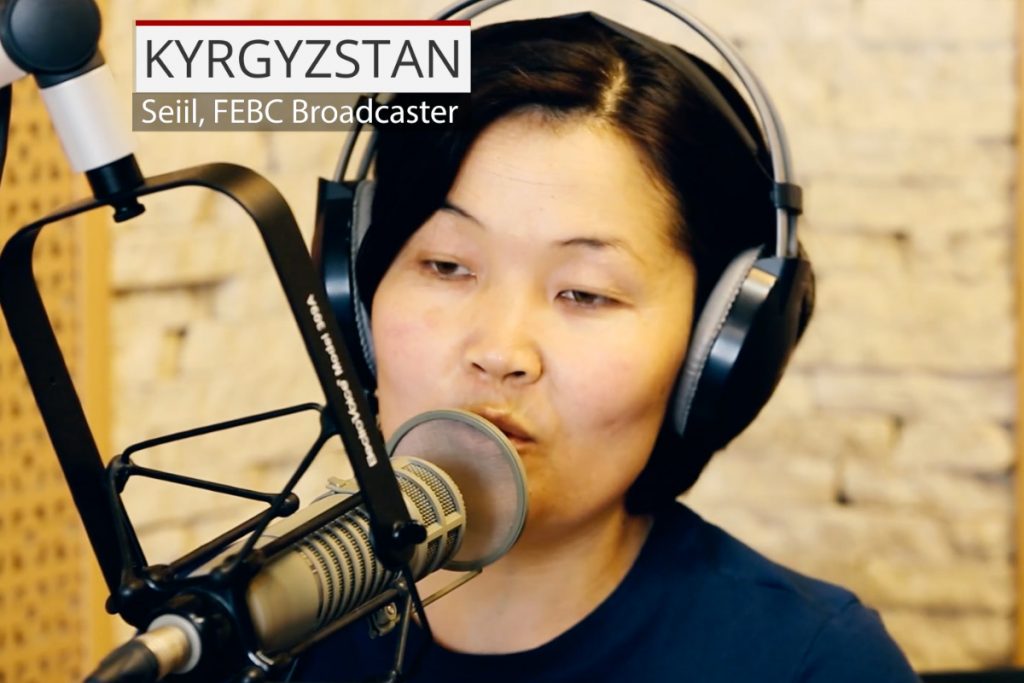
In the 60+ years that FEBC has been broadcasting the Good News, we have witnessed phenomenal growth in Christianity among minority groups. The reason, we believe, is the sense of dignity and worth that indigenous broadcasts offer them.
In Asia, many minority groups struggle with persecution and discrimination all their lives. So when they hear a radio message in their own language, they feel validated. FEBC’s indigenous broadcasters not only speak their language, they “speak” their culture. As a result, listeners respond to Christ’s love! Consider this response from a member of a minority group in Southeast Asia:
I hear your broadcasts every day. Most of the people in this area are uneducated, and they worship evil spirits. Even worse, they cause conflicts amongst each other. It is only through your programs that we hear good things. You really touch our lives, and we’re thankful!
The Power of Indigenous Broadcasts
FEBC’s programs are often the only way minority groups learn about Jesus. And His love for them, conveyed every day by the kind, gentle voice of our broadcasters, gives them a sense of hope in the midst of difficulty and despair.
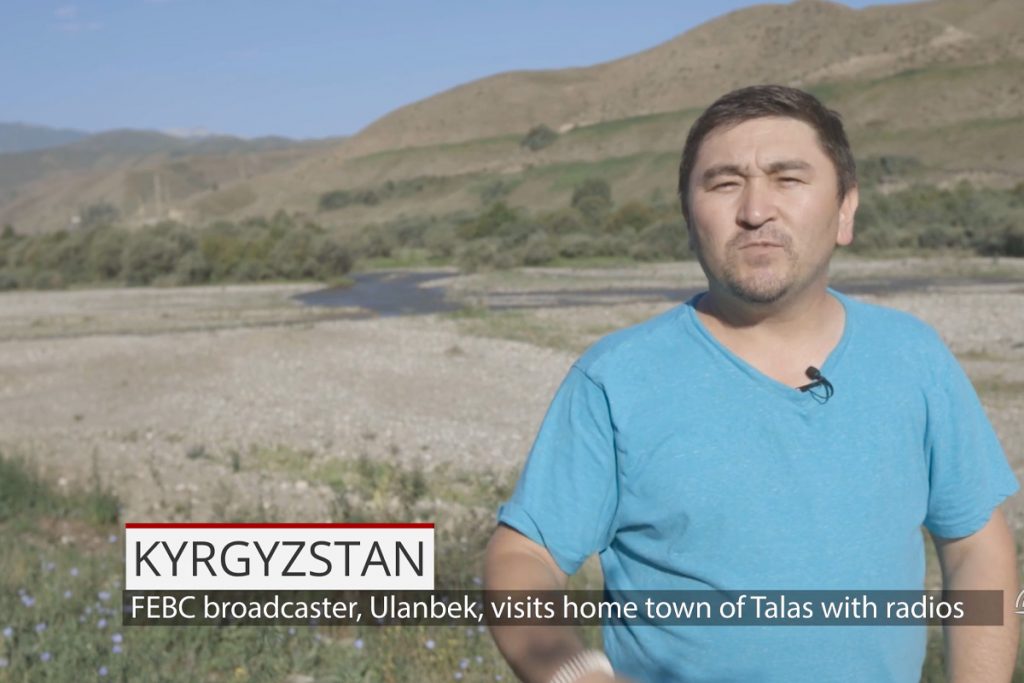
When a program comes on the air, villagers often stop their work and gather around a single radio to listen to the program. Or they take their radio with them out in the field. For many, the familiar voice on the radio becomes a trusted friend.
And while many areas of the world where minority groups live are inaccessible—geographically, politically, and economically—radio waves are not hampered by these barriers.
Least Reached in Southeast Asia
In addition to 21 minority groups that FEBC broadcasts to in one Southeast Asian country (unnamed for security purposes), we also produce programs in 5 Chinese ethnic languages, reaching a potential listening audience of a 100 million people a day in these two countries alone. We also broadcast to ethnic groups in Vietnam, Cambodia, Indonesia, and Thailand, to name a few.
While many listeners from ethnic groups are illiterate and therefore unable to write to us, missionaries on the ground send us news of entire villages coming to Christ. Many are hearing the name of Jesus for the first time and are eager to know more about the Savior who loves them.
Radio’s Capacity to Plant Seeds
Consider this story from Tibet sent to us by a partner organization, where seeds are being planted in an inhospitable environment high in the mountains amongst the Kham, a traditionally Buddhist people group:
I was traveling through an area where the road had been washed out and was too narrow for 4WD, so we pushed on with motorcycles, over bubbling hot springs and frozen glaciers. Four hours away from the nearest town, we came upon a monastery at 14,000 feet.
As we drew closer, I discovered solar panels on the roof. When we were invited into one of the small rooms where the monks lived, we noticed wires from the solar panels attached to two oversized batteries. Connected to the batteries was a tape recorder and radio.
I asked if they were able to listen to programs in the Kham language. “Of course,” they said. “We listen to [FEBC] every evening. We also tape it so we can listen to it again and again.”
Ethnic groups are often forgotten by the outside world, but Jesus knows and cares for each one of them. In an effort to follow His lead, FEBC has made it a priority to share the message of Christ with the least reached people of Asia.
But none of our work could be accomplished without the help and prayers of our donors. Thank you for your ongoing support. You’re helping make a tremendous impact for the gospel!